What's going on
Bleeding usually starts when plaque builds up along the gumline and inflames the gums (gingivitis). If it isn't treated, it can progress to periodontitis, where the bone that holds your teeth in place is lost.
Other signs include red or puffy gums, bad breath, gums pulling away from teeth, and teeth that feel loose.
What you can do right now
- Keep brushing and flossing; gentle daily cleaning helps bleeding stop
- Use a soft-bristled brush
- Don't skip cleaning the area because it bleeds
If bleeding lasts more than a week or two of good home care, or you notice loose teeth or receding gums, schedule a visit.
How we can help
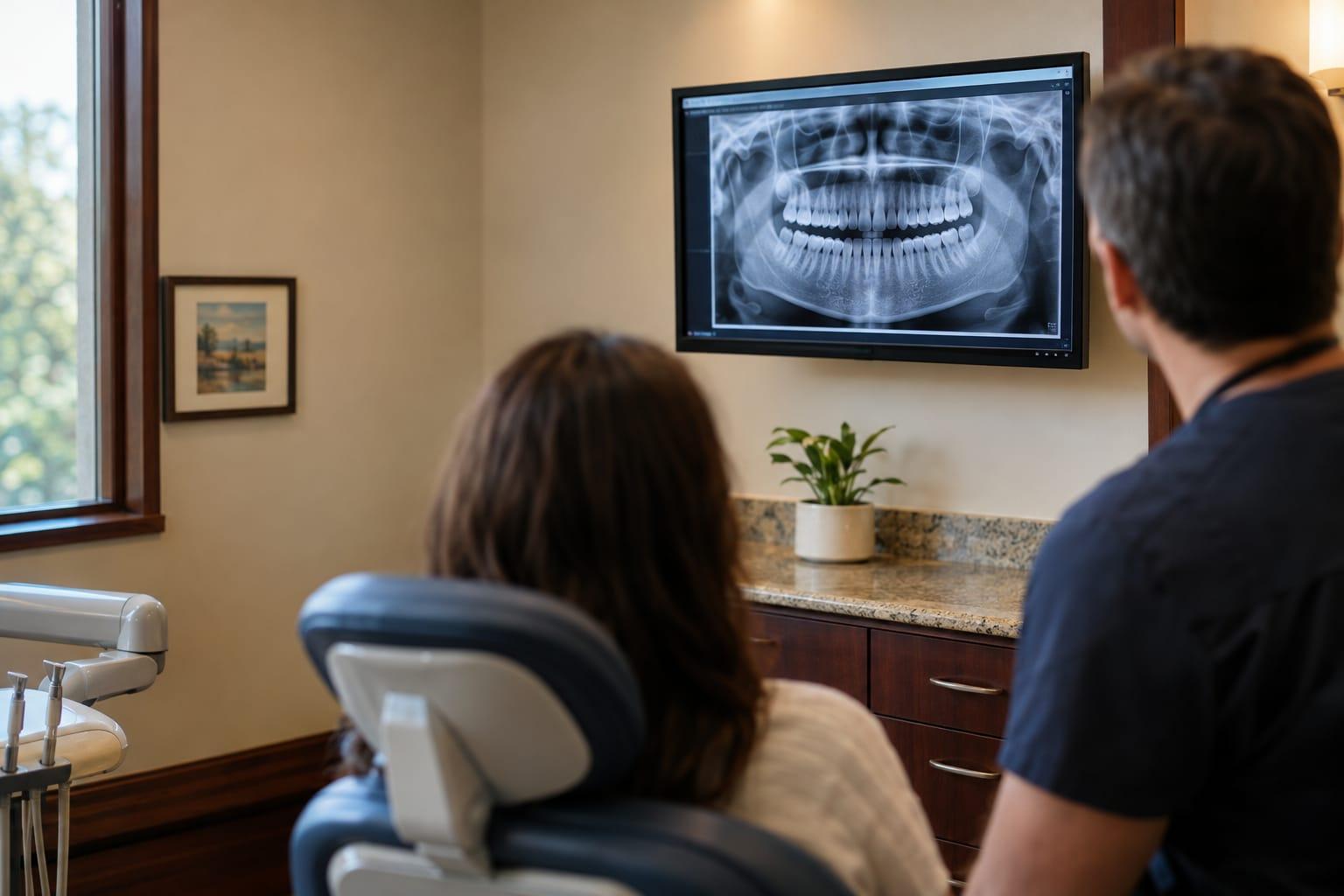
After an exam, Dr. May will explain what he finds and walk you through your options. Depending on the cause, treatment may include:
Professional cleaning
Removes plaque and tartar so the gums can heal.
Deep cleaning (scaling and root planing)
Cleans below the gumline when gum disease has formed pockets.
Periodontal maintenance
More frequent cleanings to keep gum disease under control.
Common questions
Is gum disease reversible?
Early gum disease (gingivitis) is reversible with good cleaning and home care. More advanced disease can be controlled to protect your teeth.

Reviewed by Dr. Christian May, DDSGeneral & restorative dentist, Glenview, IL