What's going on
The most common causes of tooth wear:
- Grinding and clenching, which flattens the biting surfaces
- An uneven bite that overloads certain teeth
- Acid erosion from soda, sports drinks, citrus or acid reflux, which softens enamel
Worn teeth can become sensitive, chip easily and change how your smile looks. Once enamel is gone, it doesn't grow back.
What you can do right now
- Limit acidic drinks and rinse with water after
- Wait about 30 minutes after acidic food before brushing
- Mention heartburn or reflux to your physician
Schedule an exam if you've noticed your teeth getting shorter, chipping or becoming sensitive. The goal is to stop the wear before restoring what's lost.
How we can help
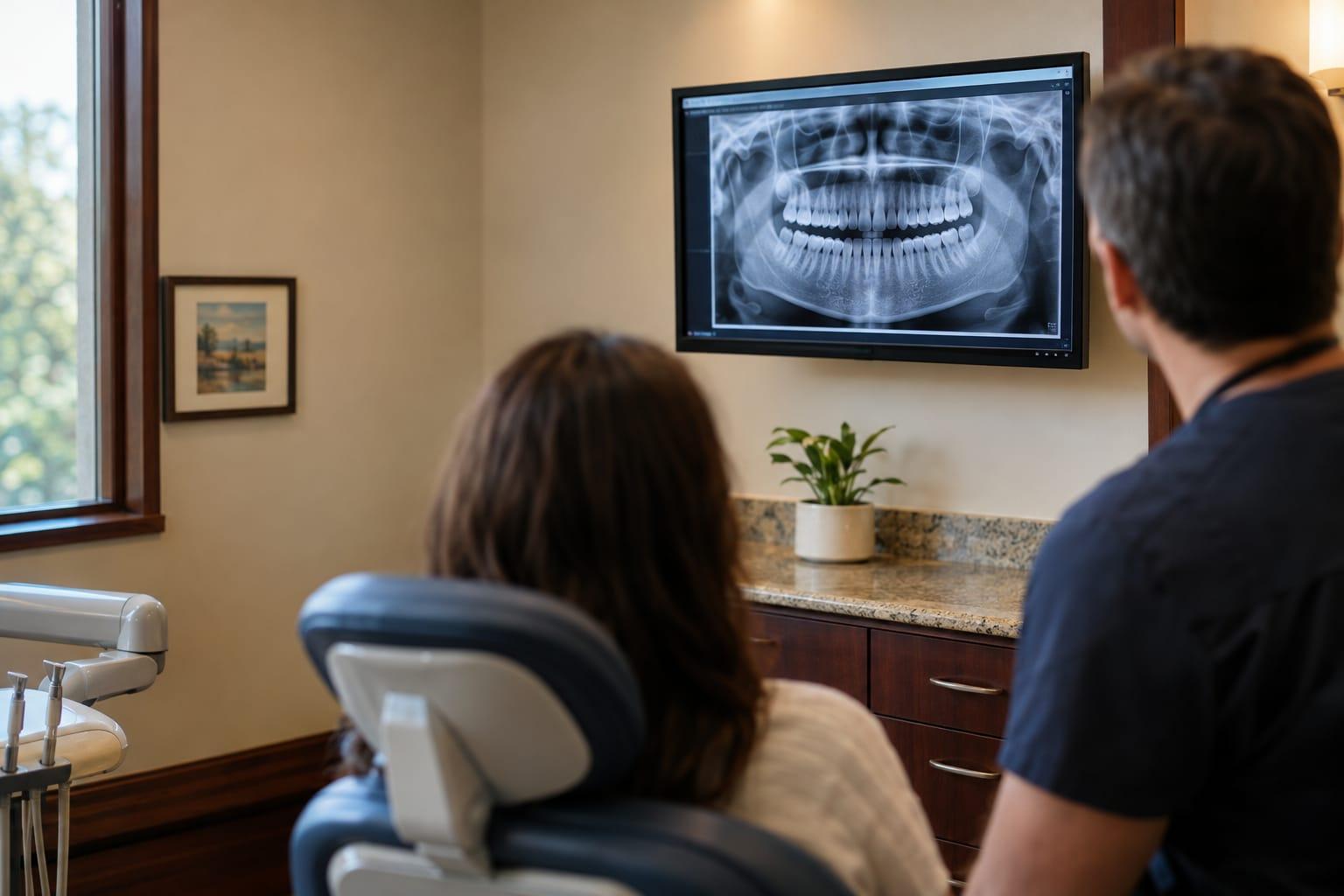
After an exam, Dr. May will explain what he finds and walk you through your options. Depending on the cause, treatment may include:
Find and address the cause
A bite evaluation and night guard protect your teeth from further wear.
Bonding
Rebuilds worn edges with tooth-colored material.
Crowns and veneers
Restore length, shape and strength to more heavily worn teeth.
Full-mouth rehabilitation
For widespread wear, a planned restoration of the whole bite, often done in phases.
Common questions
Can worn teeth be fixed?
Yes. The right approach depends on how much wear there is and why it happened. Treating the cause first helps your new restorations last.

Reviewed by Dr. Christian May, DDSGeneral & restorative dentist, Glenview, IL