What's going on
Common causes of a toothache include:
- A cavity that has reached the inner layers of the tooth
- A cracked or broken tooth
- An infection (abscess) at the root of the tooth
- Gum disease or food stuck between teeth
- Clenching and grinding, which can make teeth sore, especially in the morning
- Sinus pressure, which can make upper back teeth ache
What you can do right now
- Rinse with warm salt water
- Floss gently around the tooth to remove trapped food
- Take an over-the-counter pain reliever if needed, following the label
- Use a cold compress on the outside of your cheek
- Don't place aspirin directly on the gums, which can burn the tissue
Call us the same day if you have swelling, a fever, a bad taste or pain that keeps you up at night. These can be signs of infection. If swelling is spreading or you have trouble breathing or swallowing, go to the emergency room.
How we can help
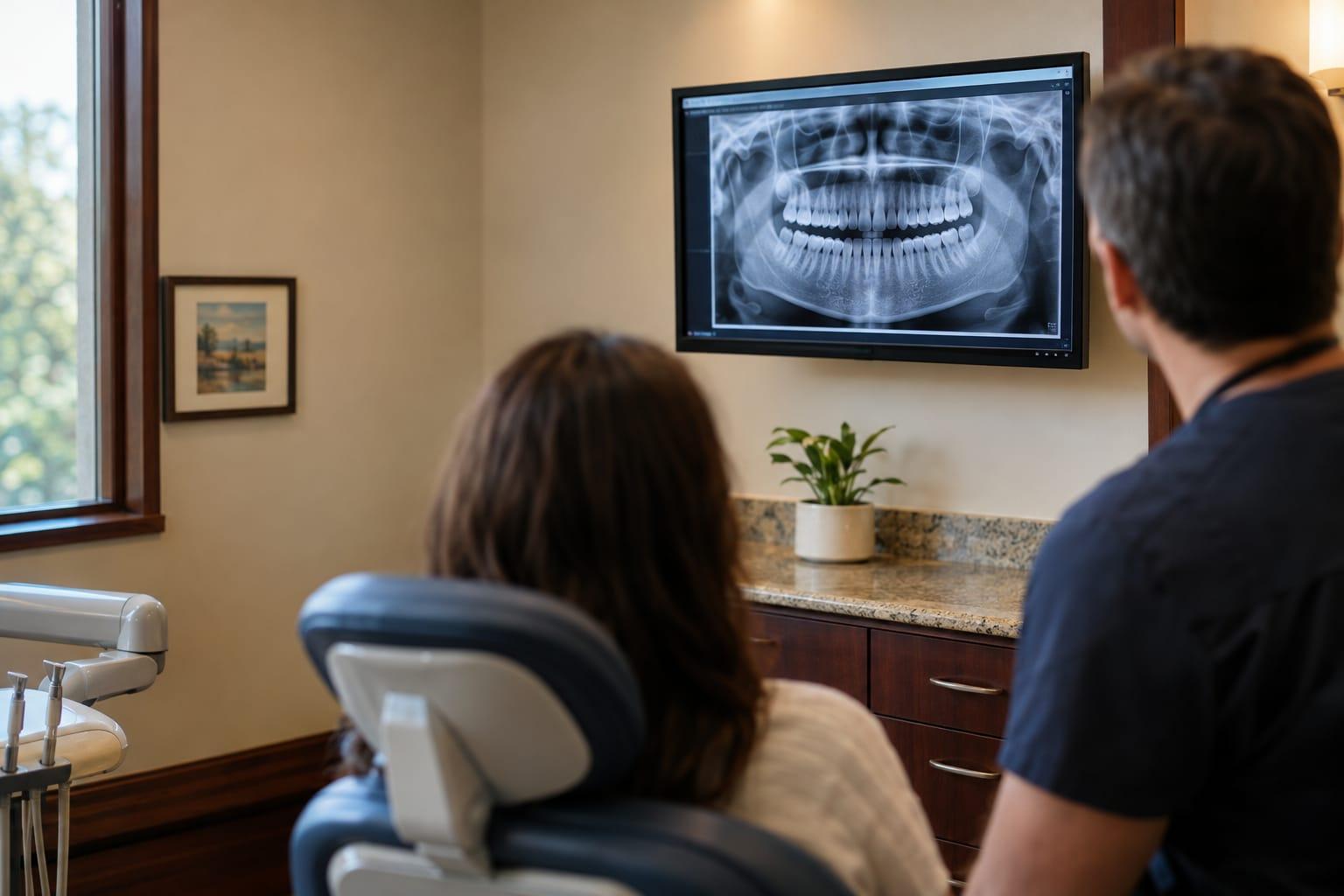
After an exam, Dr. May will explain what he finds and walk you through your options. Depending on the cause, treatment may include:
Filling
Treats a cavity before it reaches the nerve.
Crown
Protects a cracked or heavily damaged tooth.
Root canal treatment
Removes infected or inflamed tissue from inside the tooth so it can be saved.
Night guard
Relieves soreness caused by clenching and grinding.
Extraction
When a tooth can't be saved, removing it ends the pain, and it can then be replaced.
Common questions
My toothache went away. Do I still need to come in?
Yes. Pain that stops can mean the nerve inside the tooth has died, while the infection remains. It's best to have it checked.
Why do my teeth hurt in the morning?
Morning soreness in several teeth or the jaw is often a sign of clenching or grinding during sleep.

Reviewed by Dr. Christian May, DDSGeneral & restorative dentist, Glenview, IL