What's going on
Common signs of a jaw joint or muscle problem (often called TMJ or TMD):
- Pain or tightness in the jaw, cheeks, temples or in front of the ears
- Clicking, popping or grating when you open or chew
- A jaw that locks, catches or won't open fully
- Headaches, especially in the morning
- Worn, chipped or sore teeth
Causes include clenching and grinding, a bite that doesn't fit together evenly, stress, injury and joint changes. Often it's a combination.
What you can do right now
- Eat softer foods and avoid gum, tough meats and very large bites
- Use a warm compress on sore muscles (or cold if there is swelling)
- Notice daytime clenching and try to keep your teeth apart, with lips together and jaw relaxed
- Take an over-the-counter pain reliever if needed, following the label
If jaw pain lasts more than a couple of weeks, keeps coming back, or your jaw locks, schedule an evaluation. Jaw problems are easier to manage when the cause is identified early.
How we can help
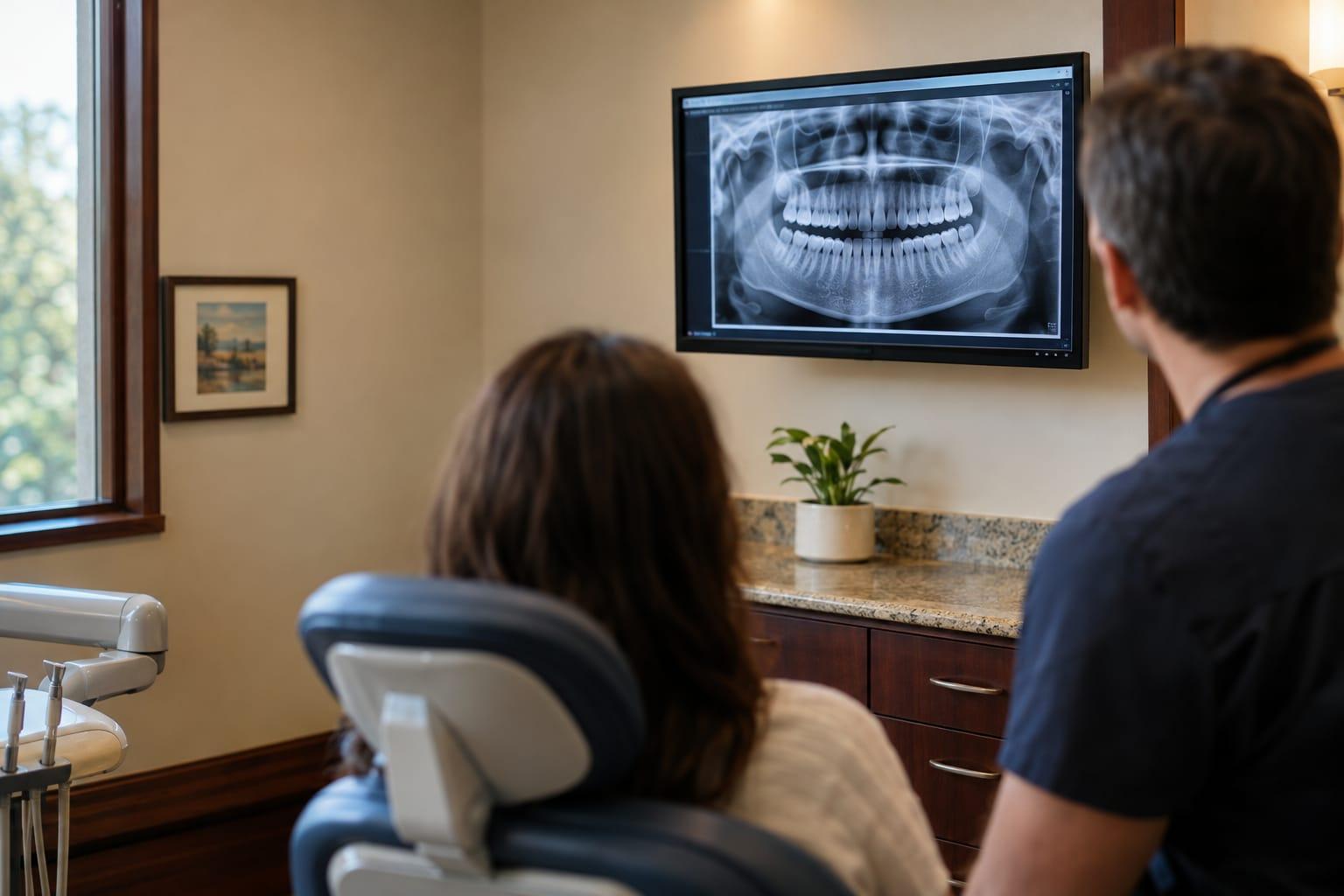
After an exam, Dr. May will explain what he finds and walk you through your options. Depending on the cause, treatment may include:
Bite and jaw evaluation
A thorough exam of your joints, muscles and bite to find where the problem is coming from.
Custom splint or night guard
Lets the jaw muscles relax and protects your teeth. Designed for your specific diagnosis.
Bite adjustment
Small refinements so your teeth meet evenly and the jaw can close comfortably.
Coordinated care
When needed, we work with physicians or physical therapists who treat jaw and neck problems.
Common questions
Is jaw clicking a problem?
Clicking without pain is common and often doesn't need treatment. Clicking with pain, locking or a change in how your teeth fit should be evaluated.
Can a dentist treat TMJ?
Yes. Many jaw problems are closely tied to the bite and to clenching, which is why Dr. May's training in occlusion focuses on the teeth, muscles and joints together.

Reviewed by Dr. Christian May, DDSGeneral & restorative dentist, Glenview, IL