What's going on
Sensitivity happens when the softer layer under the enamel (dentin) is exposed. Common reasons:
- Gum recession that exposes the root surface
- Enamel worn away by grinding, hard brushing or acidic foods and drinks
- A cavity, cracked tooth or worn filling
- Recent whitening or dental work (usually temporary)
What you can do right now
- Use a toothpaste made for sensitive teeth, twice a day, for a few weeks
- Brush gently with a soft-bristled brush
- Limit acidic drinks like soda, sports drinks and citrus, and rinse with water after
- Avoid brushing right after acidic foods; wait about 30 minutes
If sensitivity lasts more than a few weeks, centers on one tooth, or lingers after the cold is gone, have it checked. These can be signs of decay or a crack.
How we can help
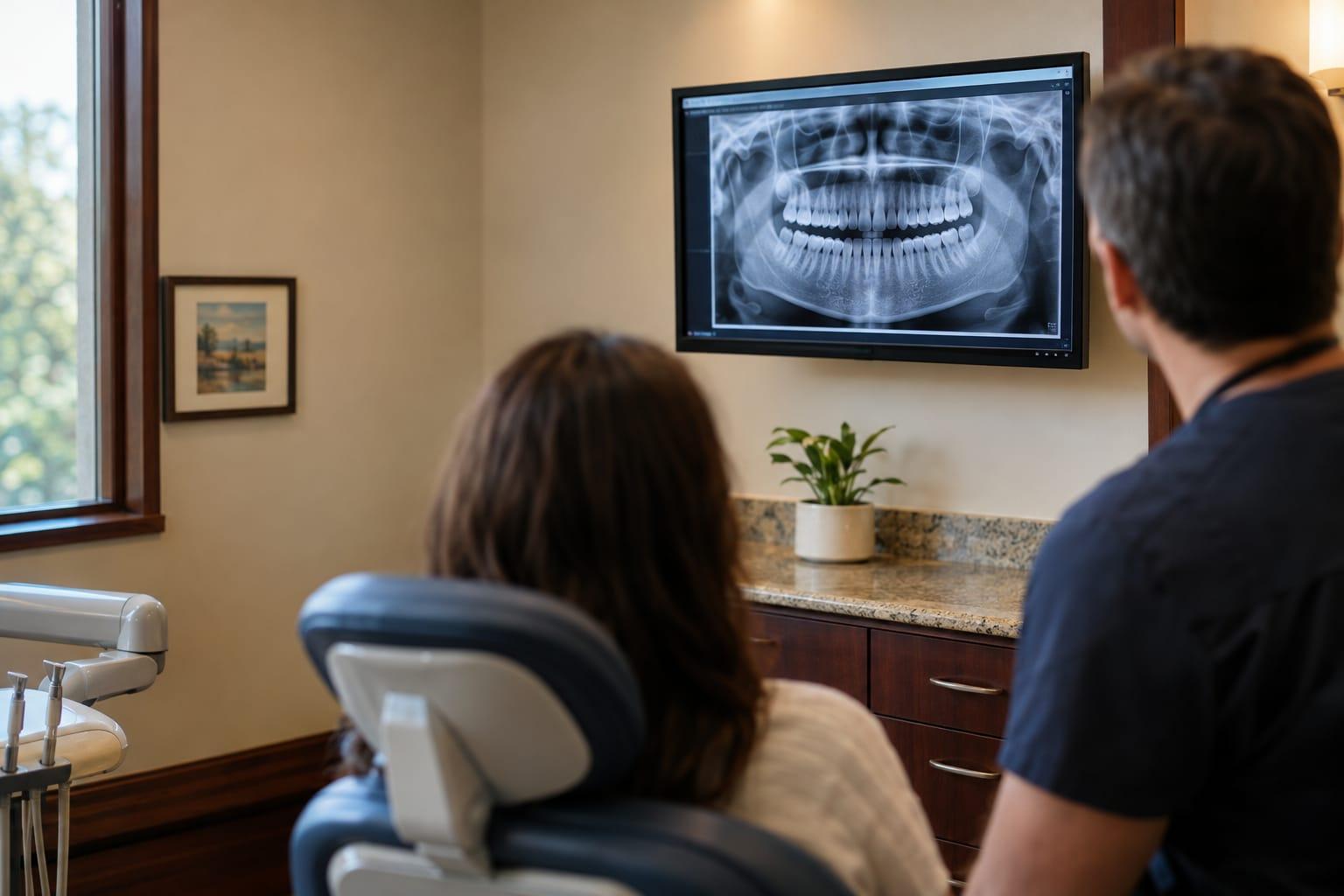
After an exam, Dr. May will explain what he finds and walk you through your options. Depending on the cause, treatment may include:
Fluoride treatment
Strengthens enamel and reduces sensitivity.
Bonding over exposed roots
Covers sensitive root surfaces where gums have receded.
Filling or crown
Fixes a cavity, crack or failing filling causing the sensitivity.
Night guard
Protects enamel from grinding.
Gum therapy
Treats gum disease that contributes to recession.
Common questions
Is tooth sensitivity serious?
Mild, general sensitivity is common and very treatable. Sensitivity in one tooth, or pain that lingers, should be examined.

Reviewed by Dr. Christian May, DDSGeneral & restorative dentist, Glenview, IL