What's going on
Common signs of a cracked tooth:
- Sharp pain when chewing, especially when you release your bite
- Sensitivity to cold or sweets
- Pain that comes and goes, and is hard to pin to one tooth
Cracks are more likely in teeth with large fillings and in people who clench or grind. Left alone, a crack can spread deeper and split the tooth.
What you can do right now
- Chew on the other side
- Avoid very hard or sticky foods and ice
- Take an over-the-counter pain reliever if needed, following the label
Call to be seen soon. Cracks are far easier to treat when caught early, before they reach the nerve or split the tooth.
How we can help
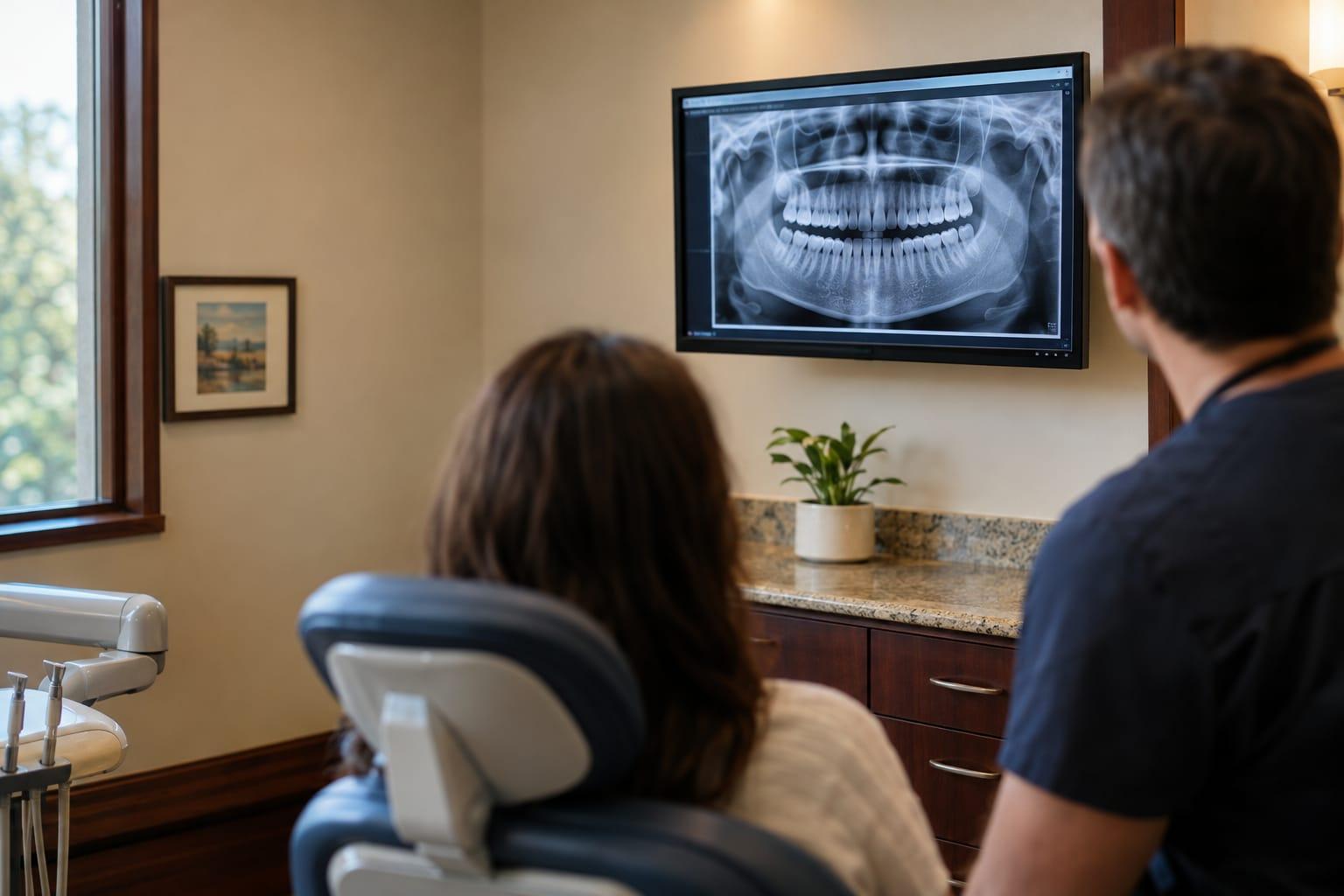
After an exam, Dr. May will explain what he finds and walk you through your options. Depending on the cause, treatment may include:
Crown
The most common fix: a crown holds the tooth together and protects it from biting forces.
Root canal treatment
If the crack has reached the nerve, the inside of the tooth may need treatment first.
Night guard and bite evaluation
Reduces the clenching and grinding forces that cause cracks.
Extraction and implant
If a crack runs below the gumline, the tooth may need to be replaced.
Common questions
How do you find a crack?
We use a careful exam, magnification, bite tests and special lighting. Many cracks don't show up on X-rays.
Can a cracked tooth be saved?
Often, yes, especially when it's caught early.

Reviewed by Dr. Christian May, DDSGeneral & restorative dentist, Glenview, IL