What's going on
After a tooth is lost:
- Neighboring teeth can drift or tip into the space
- The opposing tooth can grow down into the gap
- The jawbone in that area gradually shrinks
- Chewing shifts to other teeth, which can overload them
What you can do right now
- Keep the area clean with gentle brushing
- Chew on the other side until it's replaced
It's best to plan replacement soon after losing a tooth, before the bone shrinks or teeth shift. If a tooth has just been knocked out, call right away.
How we can help
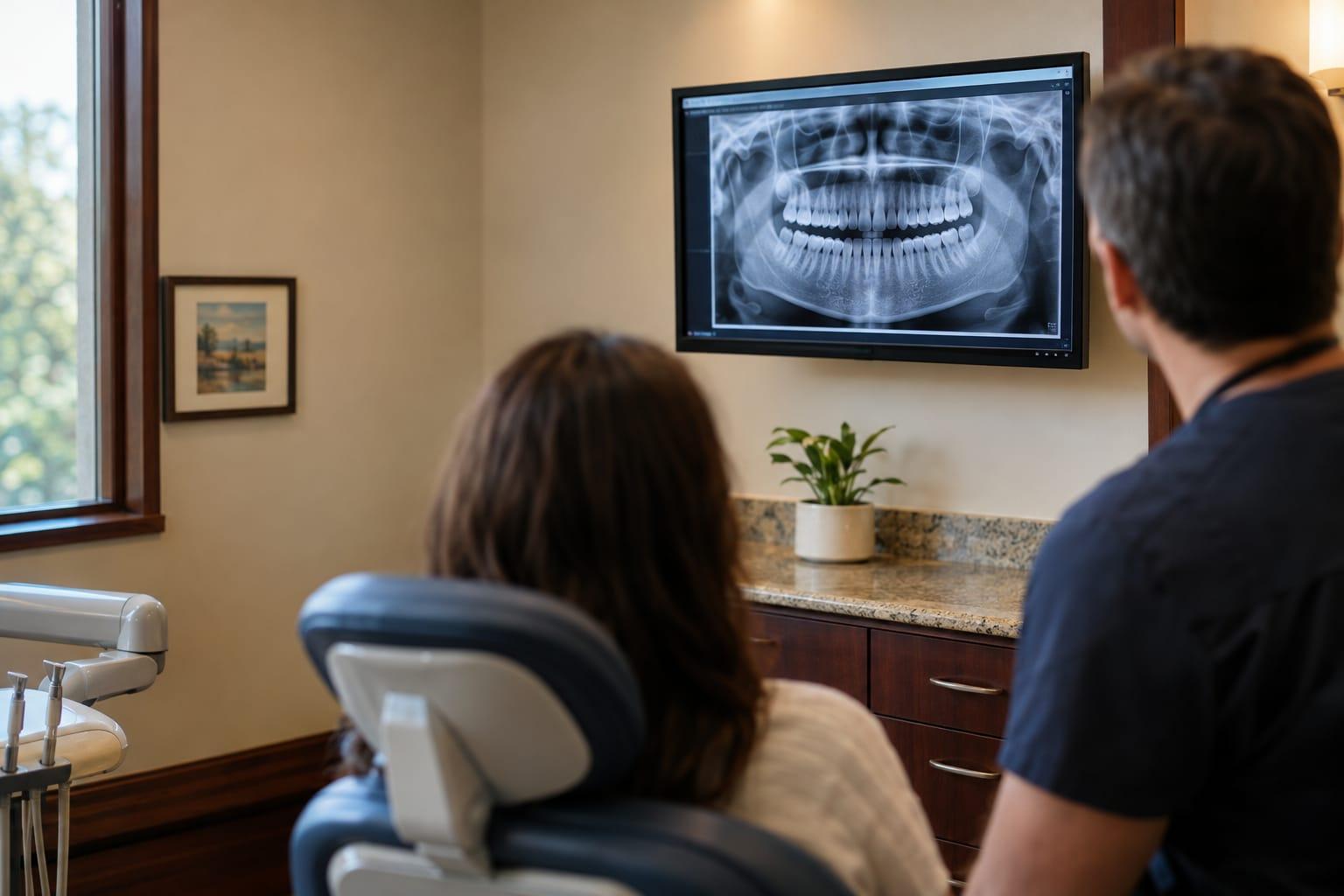
After an exam, Dr. May will explain what he finds and walk you through your options. Depending on the cause, treatment may include:
Dental implant
A titanium post in the bone supports a crown that looks and works like a natural tooth, without involving neighboring teeth.
Bridge
A false tooth anchored to crowns on the teeth on either side of the gap.
Partial denture
A removable option to replace one or several missing teeth.
Bone grafting
Bone is “use it or lose it,” so it shrinks after a tooth is lost. A graft acts as scaffolding that your body fills in with new bone, creating a solid base for an implant.
Common questions
Which option is best?
It depends on your health, the bone, the teeth next to the gap and your budget. We'll walk through the pros and cons of each.

Reviewed by Dr. Christian May, DDSGeneral & restorative dentist, Glenview, IL